
A proper reline can extend the life of dentures and transform your daily experience. With better retention capabilities, you’ll rediscover the confidence and comfort you’ve had back when you first had these very same dental appliance. If you find this process all new and intimidating, this post will explain everything you need about denture relining.
What is a Denture Reline?
The mouth changes shape naturally over time. Bone shrinks, gums recede, and tissues shift. These changes create gaps between your dentures and gums. Relining fills these gaps by adding a fresh layer of acrylic or soft material.
By reshaping the base or denture plate and adjusting it close to a natural fit, the dentures are afforded a new lease of life, and your gums and other oral structures are saved from wear and discomfort. You can eat and converse with full confidence again.
What are the Benefits of Denture Relining?
While dentures can last up to 10 years⁽¹⁾, there’s a possibility that their perfect fit falls off sooner. But don’t panic, because loose dentures don’t necessarily mean you’ll need a new one.
Hence, the good news. Relining can restore that comfortable, secure fit without replacing your entire denture. Also, according to a study on denture reline⁽²⁾, patients experienced five to seven more years of use after the initial reline.
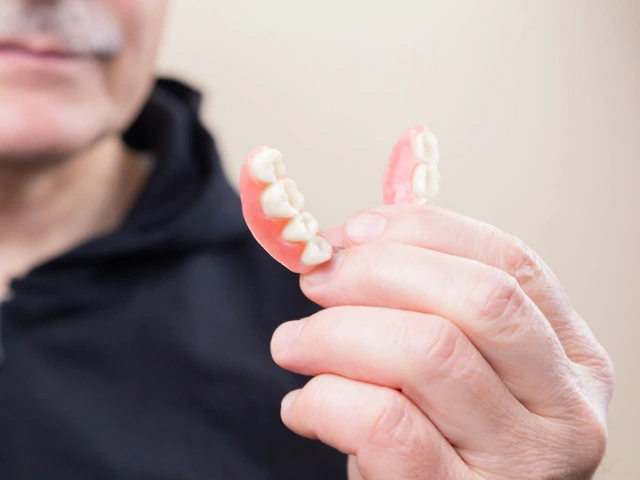
Protects Oral Health
Relining also protects your oral health. Ill-fitting dentures can damage your gums and remaining teeth through constant friction and movement. A well-fitted denture distributes chewing forces evenly across your gums, preventing gum irritation and unnecessary damage to your remaining natural teeth.
Cheaper Than New Dentures
The denture reline process costs much less than getting a new appliance. Most relined dentures last several more years with proper care, which makes relining an excellent and cost-effective investment to improving your quality of life.
Overall, comfort improves dramatically when hot spots and pressure points are reduced. Many people find they can eat a wider variety of foods after relining. Speaking also becomes clearer when dentures don’t shift around in your mouth.
Understanding Denture Reline Cost
Wondering how much does it cost to reline dentures in Australia?
Several factors influence the cost of denture reline such as the type of reline, laboratory work, and possible additional treatment procedures. To get a personal and more relevant estimate, connect with your local practitioner or dentures clinic. For Graceville patients, you can book your FREE 10-minute pre-assessment with Westside Dentistry to get legitimate pricing and professional advise.
The Denture Reline Procedure
Like any dental procedure, the relining process begins with a thorough examination.
Your dentist checks the condition of your existing dentures and evaluates your mouth tissues and general oral health condition. They look for cracks, worn teeth, or other issues that need addressing first. You may be offered additional treatment options if the signs of wear are advanced.
For laboratory relines, your dentures go to a dental lab for 24 to 48 hours. Technicians remove the old lining material and apply fresh acrylic or soft liner. They carefully shape and polish the new surface. This service is available in clinics with an on-premise dental laboratory like Westside Dentistry.
On the other hand, chairside relines happen in the dental office, which you can wait out. Your dentist adds new material directly to your dentures and shapes it in your mouth. This process takes about an hour but may not last as long as lab work.
Types of Denture Relines
To get a better understanding, check out this overview on the types of denture relines.
Hard Denture Reline
Hard relined dentures use the same acrylic material as your original dentures.
This option provides the longest-lasting results and works best for healthy gums and normal bone structure. Hard reline offers excellent retention and durability for everyday use.
Soft Denture Reline
Soft relined dentures use flexible, cushion-like materials that feel gentler against sensitive gums.
This option favours patients with tender gum tissues or irregular bone ridges. Simply put, the soft materials absorb chewing pressure and reduce discomfort. However, soft relines need replacement more frequently, usually every two to three years.
Temporary Reline
Temporary relines provide short-term relief while you decide on a permanent reline solution.
The dental prosthetist may recommend these following tooth extractions or gum surgery. The material stays soft for several weeks, allowing tissues to heal. Temporary relines aren’t meant for long-term use.
How Often Should Dentures Be Relined?
Most dentures need relining every three to five years under normal circumstances. However, individual factors can shorten or extend these estimates significantly.
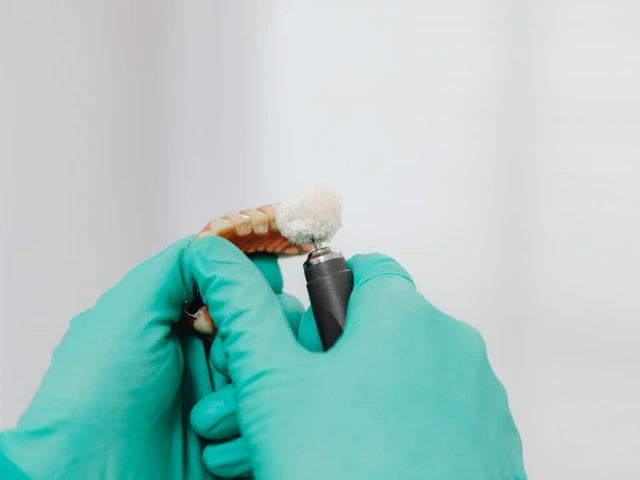
In addition, usage patterns and behaviours influence relining frequency. Heavy chewers or people who grind their teeth may need more frequent maintenance. Careful denture wearers who follow proper care instructions often extend the time between denture relines.
Is it Worth Getting Dentures Relined?
Relining should prove worthwhile for many denture wearers dealing with fit and comfort problems. Given that patients will wear dentures for the foreseeable future, relining is good secondary investment after the initial treatment. It’s also more affordable than getting new dentures every few years or so.
Closing Thoughts on Denture Reline and Denture Care
Denture relining provides an effective and affordable solution for loose or ill-fitting dentures. The process restores proper fit, improves comfort, and extends the life of your existing dentures without needing a new model. Looking for high-quality denture Brisbane services? Our experienced team offers custom solutions for a confident smile.
On that note, since there are two types of relines, it’s best to consult with your dentist to determine which option suits you best. For instance, factors like your gum health, bone structure, chewing habits, and sensitivity levels are all crucial for rediscovering the best fit for your mouth.
Cost differences between hard reline and soft reline are usually minimal for the initial procedure. However, the shorter lifespan of soft relines means higher long-term costs due to more frequent replacements. Contact Westside Dentistry, your trusted dentist Graceville clinic for all your denture needs.
References:
[1] Khangura SD, Grobelna A, Haas R, et al.; Authors. Longevity of Partial and Complete Dentures: CADTH Health Technology Review [Internet]. Ottawa (ON): Canadian Agency for Drugs and Technologies in Health; 2023 Mar.
[2] Taylor M, Masood M, Mnatzaganian G. Longevity of complete dentures after relines: A 20-year population based retrospective study of 187,227 publicly insured adults. J Dent. 2022 Jun;121:104073. doi: 10.1016/j.jdent.2022.104073. Epub 2022 Feb 19. PMID: 35189311.


